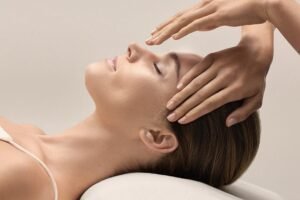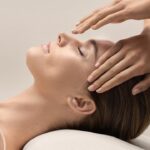
At Skin Care Center, we can guide you regarding facial yoga and dental massage as complementary resources to promote relaxation, reduce feelings of tension, and improve facial well-being, ensuring a holistic approach to managing bruxismo.
In recent years, the awareness about bruxism has grown significantly, and many people are beginning to understand its implications not just on dental health but also on overall well-being. Various studies have shown that bruxism is often linked to emotional stress and anxiety, which can be exacerbated by lifestyle choices and environmental factors. It is essential to identify these triggers, as managing them can lead to a substantial decrease in bruxism symptoms.
Furthermore, incorporating mindfulness practices such as meditation or deep-breathing exercises into your daily routine can significantly aid in reducing stress levels. For instance, dedicating just ten minutes a day to focused breathing can help clear your mind and relieve tension in your jaw and neck, which are crucial areas affected by bruxism.
In addition to mindfulness, it’s beneficial to engage in physical activities that promote overall relaxation and muscle release. Activities like yoga and tai chi are excellent for this purpose, as they not only improve physical flexibility but also enhance mental clarity and emotional stability, creating a holistic approach to managing bruxism.
Moreover, understanding the importance of ergonomics in your workspace can greatly impact your posture and, consequently, your bruxism. Ensuring that your computer screen is at eye level, your chair provides proper lumbar support, and your feet are flat on the ground can help maintain a neutral spine position, reducing stress on your neck and jaw.
Introducing regular breaks while working can also be a game changer. Setting a timer to remind yourself to stand, stretch, and change positions every hour can prevent the build-up of tension that often leads to bruxism. These small adjustments can make a significant difference in your overall comfort and jaw health.
As for dietary considerations, avoiding stimulants such as caffeine or sugar, especially in the evening, can lead to better sleep quality. Many individuals do not realize how these substances can contribute to muscle tension and restlessness, which can exacerbate bruxism symptoms. Instead, incorporating calming herbal teas or magnesium-rich foods in your evening routine may promote relaxation.
Additionally, it can be effective to explore the role of sleep hygiene in managing bruxism. Creating a calming bedtime routine, such as dimming lights, avoiding screens an hour before bed, and maintaining a comfortable sleep environment, can enhance your sleep quality, thereby reducing episodes of teeth grinding that occur during sleep.
Consider using therapeutic tools as well, such as a mouth guard prescribed by a dentist, to protect your teeth from damage during sleep. These guards can help alleviate some of the pressure exerted on the jaw muscles and provide a buffer against the negative effects of grinding.
Finally, engaging in community or support groups can provide emotional relief. Sharing experiences with others who face similar challenges can help individuals feel understood and less isolated, thereby lowering anxiety levels that contribute to bruxism.